The question
How do we balance training content with celebration at our sales kickoff?
The strongest SKOs treat training and celebration as complementary, not competing, agenda items: substantive sessions in the morning and early afternoon, recognition and social events in the evening, with at least one signature moment that ties the two together, such as announcing award winners after a session that reinforces the behavior being rewarded. Neither element should be an afterthought.
Why the balance matters more than either element alone
Sales kickoffs sit in a different category than most corporate meetings because the audience is specifically motivated by competition, recognition, and energy, in addition to information. A kickoff built entirely around training sessions, however well-designed, misses the emotional and motivational function that makes an SKO different from a quarterly business review. Conversely, a kickoff built mostly around parties and recognition without substantive content fails to deliver on the actual job of a kickoff: equipping the sales team for the year ahead.
Sales leaders sometimes treat this as a zero-sum tradeoff, cutting training time to add a bigger closing party or cutting celebration time to fit one more product session. The better frame is sequencing: both elements belong in the agenda, and the question is how to order and connect them so each reinforces the other rather than competing for the same hours.
Sequence training in the morning, recognition in the evening
Cognitive energy for absorbing new information, pricing details, competitive positioning, product updates, is highest in the morning and declines through the day. Schedule the sessions requiring the most focus and retention earliest, and reserve the afternoon for more interactive or applied content like role-play breakouts or team competitions that reinforce the morning's material through practice rather than more lecture.
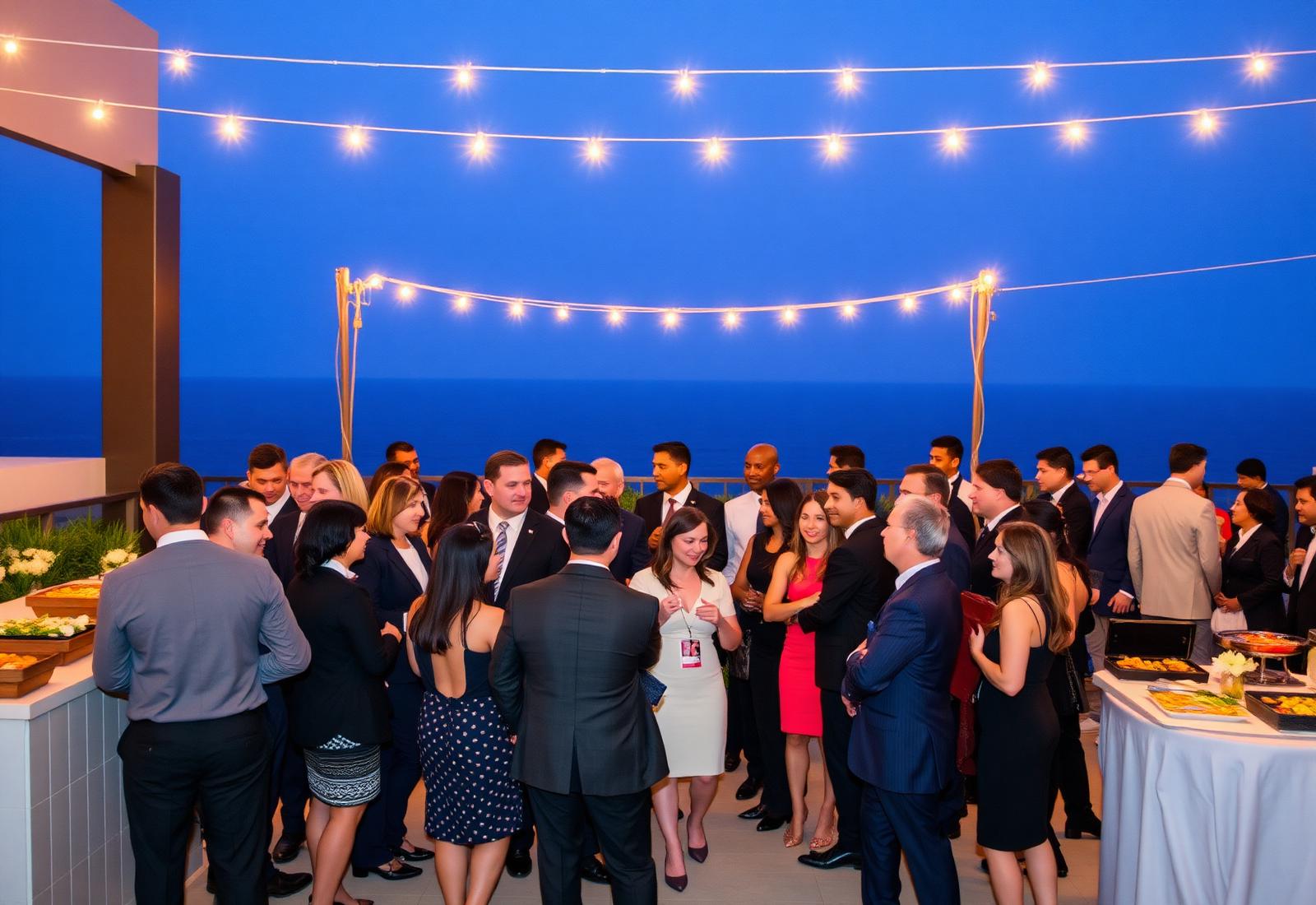
Evenings are the natural home for recognition and celebration. By evening, attendees have given the day's content their full attention and are ready for a shift in tone. An awards dinner or themed celebration in the evening also gives the day a clear closing arc, rather than ending the day on another breakout session that blurs into the next morning's content.
Make recognition specific and content-connected
Generic awards ceremonies, where a name is read and applause follows, do less for motivation than recognition tied specifically to the behaviors or metrics the kickoff's training emphasized. If a morning session focuses on a new consultative selling approach, structure an award category around reps who exemplified that approach during the prior year, even informally, so the recognition reinforces rather than sits apart from the training content.
Where possible, have award presentations include a short, specific statement of why the recipient won, delivered by their manager or a peer rather than only a senior executive. Specific, peer-delivered recognition tends to land with more credibility among sales teams than generic executive praise, and it reinforces the behaviors other reps should emulate in the year ahead.
- Tie award categories to the specific behaviors emphasized in training sessions
- Have recognition delivered by managers or peers, not only senior executives
- Include a brief specific statement of why each recipient won
- Avoid generic 'top performer' categories disconnected from the kickoff's themes
Use team competition as a bridge between the two
Structured competitions, whether sales simulations, trivia on product knowledge, or team-based challenges tied to the kickoff's strategic themes, function as a genuine bridge between training and celebration. They require attendees to apply what they learned in sessions, they generate real energy and some friendly rivalry, and they create natural moments for recognition that are more memorable than a straightforward awards list.
Keep competition formats simple enough that every team can participate regardless of tenure or role, and avoid designs that only reward the reps who were already going to win the top sales award. A kickoff competition that gives newer or mid-performing reps a genuine chance to win reinforces inclusion and engagement across the full sales organization, not just the top tier.
Protect unstructured social time
Not every moment of celebration needs to be programmed. Unstructured time, whether a pool afternoon, a casual group dinner, or simply an evening with no scheduled activity, gives attendees a chance to build relationships with colleagues across regions and functions that a packed agenda does not allow. These informal connections often matter as much for team cohesion over the following year as any single training session.
When building the agenda, resist the instinct to fill every hour. A kickoff with zero unstructured time can feel exhausting rather than energizing by the final day, which works against the motivational goal the celebration elements are meant to achieve.
Measuring whether the balance worked
Post-event surveys should ask attendees to rate both the content value and the overall energy or morale impact of the kickoff separately, since a program can score well on one and poorly on the other. Tracking both over multiple years shows whether agenda changes, adding a competition format or restructuring recognition, actually moved the needle on engagement, rather than relying on anecdotal impressions from a few vocal attendees.
Sales leaders should also watch for a lagging indicator: whether behaviors emphasized in training sessions show up in CRM activity or pipeline data in the weeks following the kickoff. A well-balanced SKO that connects recognition to specific behaviors tends to see those behaviors persist longer than a kickoff where training and celebration felt disconnected.
How Latitude supports the full agenda, not just logistics
Balancing training and celebration successfully depends partly on venue and destination choices, since the right evening venue, outdoor space, or F&B setup makes recognition and celebration land better, while reliable breakout rooms and AV make the training sessions run smoothly. Latitude Group Travel plans both sides of that equation together, sourcing venues in Mexico and the Caribbean that support a serious general session and breakout schedule as well as a memorable evening event, rather than optimizing for one at the expense of the other.
We also work with your team on sequencing logistics, like turnaround time between a general session and an evening event, so the agenda you design around training and celebration is actually executable on-site without rushed transitions undercutting either element.
Key takeaways
- Sequence focus-heavy training in the morning and recognition in the evening
- Tie award categories to the specific behaviors emphasized in training
- Use structured team competition as a bridge between learning and celebration
- Protect unstructured social time rather than filling every agenda hour
- Measure content value and morale impact separately in post-event surveys